Plumbing Repair by Any Hour Electric Plumbing Heating & Air vs Diy: The Smart Choice
Did you know that the average household’s leaks can account for nearly 10,000 gallons of wasted water each year? That’s enough to wash almost 300 loads of laundry! Being able to pinpoint plumbing problems and take action can save not just water, but money and inconvenience as well. This article ventures into the drippy world of plumber repair, highlighting both DIY fixes and times when it’s wise to call a pro.
From clogged drains to leaky faucets, plumbing issues are both common and diverse in character. Being familiar with these malfunctions is the first step toward resolution. Below, explore the ins and outs of common plumbing complications, how to tackle some on your own, and the smart move of preventive maintenance to keep your pipes in prime condition.
Common Plumbing Issues and How to Identify Them
The most frequent plumbing nuisances include dripping faucets, clogged drains, and running toilets. Each poses its own kind of trouble and can reflect various underlying causes. For instance, a dripping faucet may result from worn washers or o-rings, while clogged drains often point to accumulated debris.
Listening for odd noises, observing water pressure changes, and noting any unpleasant odors can be telltale signs of plumbing woes. A gurgling sound may indicate venting issues, whereas low water pressure could hint at a blockage or leak in the system. Being attentive to these indicators helps in diagnosing problems swiftly.
For home troubleshooting, examine accessible fixtures and connections. Check under sinks for moisture that could signal a leak, and inspect toilet flapper valves for a proper seal to prevent running toilets. Simple awareness can help you catch issues early and Plumber Repair in St. George, UT by Any Hour Electric, Plumbing, Heating & Air manage them effectively.
DIY Plumber Repair Techniques for Minor Problems
Arming yourself with some basic DIY plumber repair knowledge can be a homeowner’s saving grace. Easing a clog with a plunger or cleaning out a P-trap are straightforward fixes that can resolve minor blockages without a professional’s help.
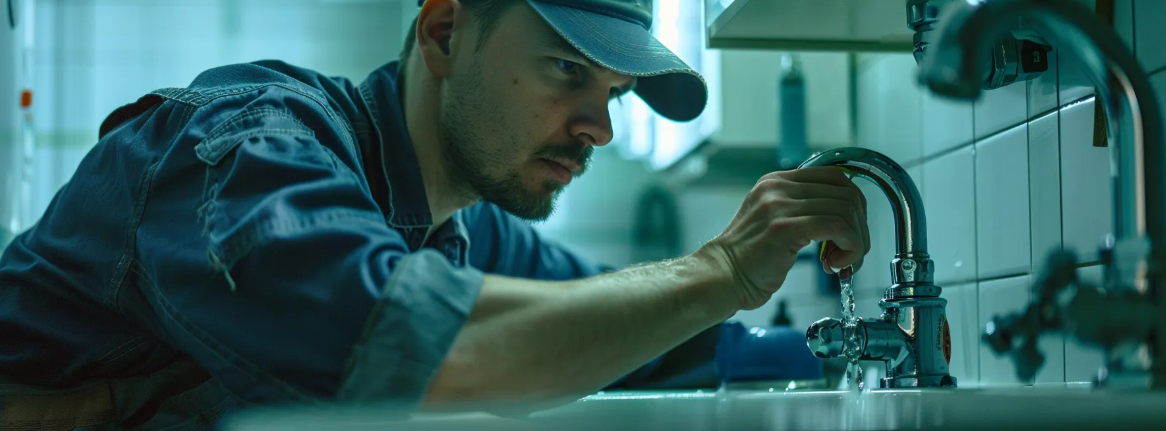
For leaky faucets, frequently the solution is replacing the washer inside the tap’s handle—as these wear down over time. If your showerhead drips, you might just need to apply plumber’s tape to secure the connection. These are small but empowering tasks that can prevent more significant issues down the line.
When undertaking DIY repairs, always shut off the water supply to the area you’re working on. Have a toolbox ready with essential items like wrenches, pliers, and sealant. And for step-by-step guidance, consult reputable resources such as home repair tutorials to walk you through the process.
When to Call a Professional Plumber for Repairs
Certain plumbing issues are simply beyond the ambit of DIY fixes and require the expertise of a professional plumber. Significant leaks, pipe damage, and installations of new fixtures or appliances are situations that call for skilled hands.
User-friendly fixes are great, but recognizing when a situation is over your head can save you from costly mistakes. If you notice extensive water damage, signs of mold, or you lack the tools for a job, it’s time to call in the pros. In some cases, like gas-related plumbing issues, hiring a licensed professional is not only wise but legally required for safety reasons.
Seek out reputable plumbers with transparent pricing and solid references. Ensure they are licensed, insured, and willing to provide a written estimate. If in doubt about a plumbing problem, a pro’s assessment can offer peace of mind and prevent minor issues from escalating.
See also: Top Tips for Finding the Best Mobile Homes for Sale Near You
Maintaining Your Plumbing System to Avoid Frequent Repairs

Preventive maintenance is key to prolonging the life of your plumbing system and minimizing repair frequency. Regular inspections enable you to spot potential issues before they worsen, and small adjustments can have a significant impact on system longevity.
Simple tasks like softening hard water, using strainers to prevent debris from clogging drains, and routinely checking for leaks can markedly decrease the likelihood of repairs. Also, be mindful of what goes down your drains—grease, certain food items, and non-flushable paper products can wreak havoc on plumbing infrastructure.
Annual or bi-annual professional inspections can be valuable, especially for older homes or systems with a history of problems. Such checks, coupled with homeowner vigilance, ensure your plumbing operates smoothly, saving you from unexpected disruptions and expense. Homeowners can find maintenance schedules and tips from reliable sources, such as energy-saving websites, to assist in their upkeep efforts.
In conclusion, plumbing repairs, whether tackled DIY or by a professional, don’t have to flood you with anxiety. Understanding common issues, embracing minor fixes, recognizing when to call in experts, and committing to routine maintenance will keep the waters flowing smoothly in your home. A proactive approach is your best defense against the tides of unexpected plumbing problems.