Hard water, characterized by its high mineral content, primarily calcium and magnesium
poses a significant problem for millions of households. Statistics show that 85% of American homes deal with hard water, which can damage appliances, plumbing systems, and even affect skin health.
Combatting the negative effects of hard water requires a strategic approach, one that often includes the installation of a water softener. Below, the significance of choosing water softener installation in Boise, ID by Magic Electric, Plumbing, Heating & Air over a DIY approach is examined, alongside tips for selecting the right water softening system.
Exploring Hard Water Challenges and Home Impact
Hard water wreaks havoc on domestic water systems by leaving deposits that clog pipes and reduce the efficiency of water heaters and other appliances. These inefficiencies can lead to increased energy costs; for instance, a water heater may consume up to 30% more energy to heat water that’s high in mineral content. Moreover, appliances such as dishwashers and washing machines tend to have a shorter lifespan when regularly exposed to hard water.
Beyond the economic implications, hard water also influences daily living. Issues like skin irritation or dryness and dull, lifeless hair are common in households with hard water due to the interference with soap’s cleansing ability. Additionally, cleaning becomes more labor-intensive with the frequent need to remove mineral stains from surfaces like faucets, sinks, and showerheads.
Addressing hard water problems effectively involves testing water hardness levels to determine the necessary capacity and type of water softening system required. A professional assessment can help tailor a solution that meets a home’s specific needs, ensuring that the chosen water softener system adds value to the property and enhances the quality of life for its residents.
Professional Water Softener Installation Versus DIY
The proper installation of a water softener is not a trivial task and can impact the functionality and longevity of the system. A professional installation guarantees that the system is set up correctly, adhering to local building codes and manufacturer guidelines. Each step, from selecting the right location to configuring the settings, affects system efficiency and water softening success.
In contrast, a DIY approach carries certain risks. Without expertise in plumbing, incorrect installation may lead to leaks, water damage, or even system failure. Additionally, warranties may be void if the installation doesn’t comply with specific requirements. A professional installer will ensure that all guidelines are met and that the system operates as intended from day one.
For instance, residents looking for water softener installation can benefit from experienced technicians who specialize in ensuring their water softening system is installed with precision, efficiency, and compliance with industry standards.
Key Considerations When Choosing a Water Softener System
Selecting the appropriate water softener system requires understanding the specific needs of a household. Factors include the hardness level of the water, the size of the home, and the water usage patterns of the residents. Systems vary by capacity, regeneration method, and technological features, each catering to different scenarios.
The market presents options such as salt-based ion exchange softeners, salt-free conditioners, dual-tank systems, and even portable varieties. For larger families or homes with chronic hard water issues, it might be advisable to invest in a high-capacity, salt-based system. Conversely, those with limited space might opt for a more compact, single-tank option.
Prior to purchase, it is advisable to read reviews, consult with experts, and compare warranties and service plans. A thorough comparison of these elements will provide the necessary clarity to make an informed decision that aligns with both the budget and the long-term water quality goals of the household.
See also: Savor Authentic Italian Flavors with Casa Marrazzo in Australia
Maintaining Your Water Softener for Optimal Performance
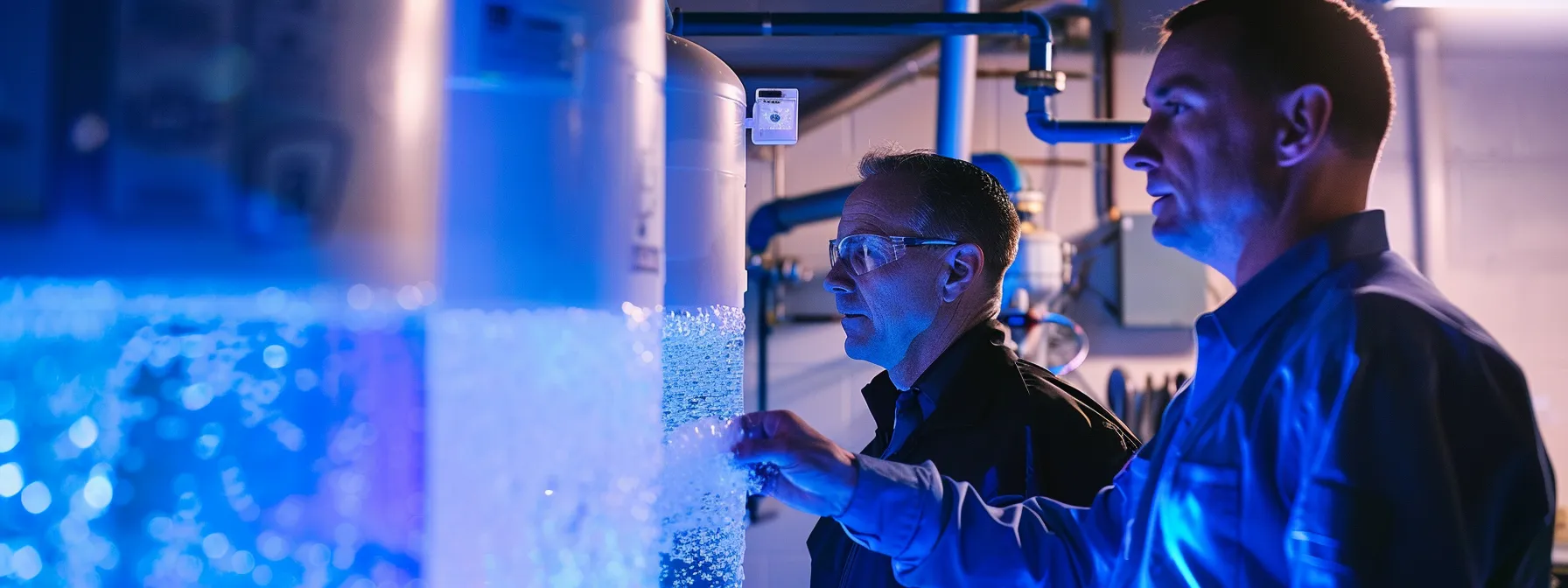
Once a water softener is professionally installed, maintenance becomes key to sustaining its performance and extending its lifespan. Regularly checking the salt level in the brine tank is crucial, as an inadequately salted system won’t soften water effectively. Many manufacturers recommend inspecting the salt level every month, with replenishment as needed.
Annual servicing is another essential aspect of maintenance. A professional technician can examine the system for any signs of wear and tear, ensuring all components function correctly. They can also perform tasks such as cleaning the resin beads and brine tank, which may not be easily accomplished by the homeowner.
Familiarizing oneself with the user manual and understanding the specific maintenance schedule of the chosen water softener brand will further prevent mishaps and ensure swift troubleshooting. Basic knowledge, paired with professional assistance, maintains optimal water quality and prevents potential issues before they escalate.
Overall, tackling hard water issues with a professional water softener installation offers numerous benefits. As water quality continues to be a key consideration for households, relying on professional services for installation and upkeep remains a reliable approach for managing water hardness effectively.