How Glass Bottles Ensure Product Integrity
When it comes to packaging, the choice of material is critical for ensuring the safety and integrity of the product within. Among the various options available, glass bottles have stood the test of time as a superior packaging solution. Their inherent qualities offer unparalleled benefits that go beyond simple containment, playing a pivotal role in safeguarding products and maintaining their quality from production to consumption.
The Composition of Glass
Glass is composed of natural substances such as sand, soda ash, and limestone, which are melted together at high temperatures to form a transparent, rigid material. This composition lends glass bottles an array of properties that are beneficial for product packaging:
Inertness
One of the most significant advantages of glass is its inert nature. Unlike other packaging materials that can react with their contents, glass remains chemically inactive. This non-reactive quality means that it does not alter the taste, smell, or composition of the contents it holds, thereby maintaining the product’s integrity.
Barrier Protection
Another critical aspect of using glass bottles for packaging is their impermeability. Glass creates an excellent barrier against gases, vapors, and liquids, ensuring that external contaminants cannot seep in and internal contents cannot leak out. This hermetic seal preserves the freshness and potency of products, particularly vital for food, beverages, and pharmaceuticals.
Transparency and Visibility
Transparency is not only aesthetically pleasing but also serves a practical purpose in product packaging. It allows consumers to see the product before purchase, which can help to verify quality and quantity. Visibility through the glass also enables easy monitoring for any changes in the product over time, such as discoloration or sedimentation, as signs of degradation.
Durability and Reusability
Despite its fragility when mishandled, glass is a robust material that can withstand pressure and temperature fluctuations, making it suitable for various products and environments. Additionally, the durability of glass bottles means they can be cleaned, sterilized, and reused without compromising their quality or safety, reducing their environmental impact compared to single-use packaging solutions.
Customisation and Branding
Glass also offers versatility in design and branding. Manufacturers can customise the shape, size, and colour of glass bottles depending on their needs, creating a unique brand identity and enhancing consumer appeal. Customised embossing and labelling are equally possible, providing ample opportunity for companies to differentiate their products on the shelves.
Upholding Health and Safety Standards
Health and safety regulations are stringent when it comes to product packaging, especially in industries such as food, beverage, and pharmaceuticals. Glass bottles naturally comply with these standards as they do not leech harmful substances and can withstand the sterilisation processes required to eliminate pathogens.
Protecting Against UV Light
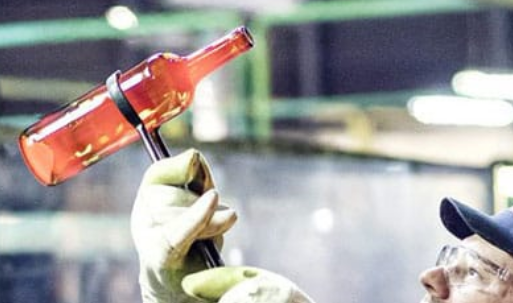
Some products, like certain medications and essential oils, are sensitive to light and can degrade when exposed to ultraviolet (UV) radiation. Amber glass bottles, for instance, filter out harmful UV rays, protecting the contents from light-induced deterioration and extending the product’s shelf life.
Eco-Friendliness
Environmental concerns are increasingly influencing consumer choices. Glass bottles offer an eco-friendly packaging option as they are 100% recyclable without loss of quality. This benefit enables a closed-loop recycling system, where used glass is continually re-melted and reformed into new bottles, minimising waste and resource consumption.
Meeting Consumer Expectations
Today’s consumers are more informed and cautious about the products they use, especially concerning health and environmental impact. Glass bottles meet these expectations by providing safe, sustainable, and quality packaging that reassures customers about their purchase decisions.
Challenges and Considerations
While glass bottles offer many benefits, there are challenges to consider, such as weight and breakability, which can affect transportation costs and require careful handling. Nevertheless, for many manufacturers, the advantages outweigh these considerations, firmly positioning glass bottles as an indispensable asset in preserving product integrity.
Innovation in Glass Packaging
Technological advancements continue to improve the production and functionality of glass bottles. Innovations in glass strength, weight reduction, and even smart labelling are enhancing their appeal and efficacy in modern packaging solutions.
Conclusion
In conclusion, glass bottles are a time-honoured packaging option that remains relevant and valuable in today’s markets. Their ability to maintain product integrity is unparalleled, offering a combination of safety, quality, and sustainability that is hard to match. Whether for the storage of food, beverages, pharmaceuticals, or personal care products, choosing glass bottles is a wise decision that benefits producers, consumers, and the environment alike.