How AI Is Changing the Way We Communicate
The integration of AI into communication is reshaping how individuals interact on multiple levels. From personalized virtual assistants to sophisticated chatbots, these technologies streamline exchanges, enhancing efficiency and engagement. Moreover, AI’s ability to facilitate real-time language translation addresses longstanding communication barriers. As these advancements continue to unfold, they pose intriguing questions about the future dynamics of interpersonal interactions and the potential implications for societal norms. What transformations lie ahead in this evolving landscape?
The Rise of AI in Everyday Communication
The integration of artificial intelligence into everyday communication has transformed the way individuals interact, both personally and professionally.
Virtual assistants have become essential tools, facilitating seamless conversations and enhancing productivity.
Additionally, advancements in text generation allow for more nuanced and context-aware interactions.
As these technologies evolve, they empower individuals, fostering a landscape where communication is efficient, tailored, and increasingly liberated from traditional constraints.
Enhancing Customer Interactions With AI
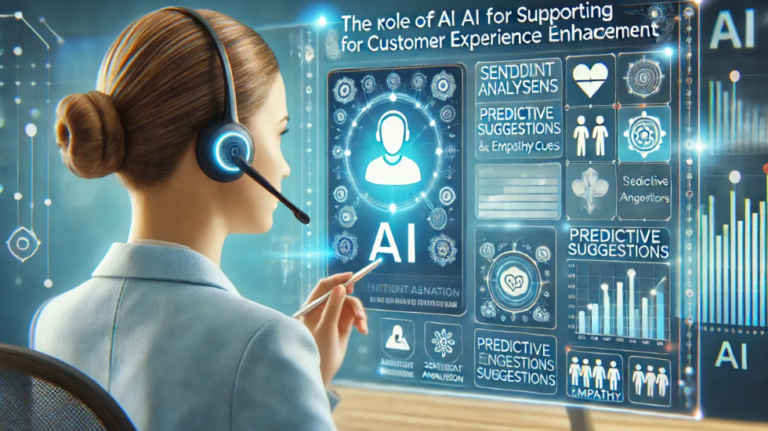
AI’s influence extends beyond personal and professional communication to significantly enhance customer interactions across various industries.
The evolution of chatbots has led to the ability to deliver personalized responses that cater to individual customer needs. This transformative approach not only streamlines service delivery but also fosters deeper connections, allowing businesses to engage more effectively and efficiently with their clientele, ultimately enhancing customer satisfaction.
See also: Technology in Agriculture: Farming Gets a Digital Upgrade
Overcoming Language Barriers Through AI Technology
As businesses expand into global markets, overcoming language barriers becomes crucial for effective communication.
AI technology, particularly through machine translation, facilitates real-time conversations across diverse languages. However, understanding cultural nuances remains essential; literal translations may overlook context.
The Future of Communication: Opportunities and Challenges
Emerging technologies are set to redefine communication landscapes, presenting both remarkable opportunities and significant challenges.
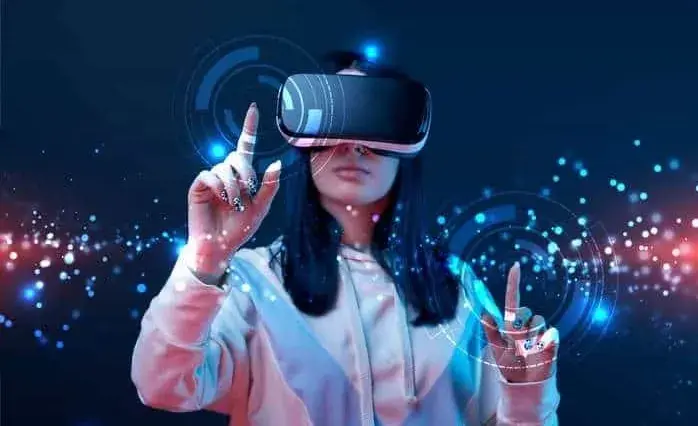
Virtual reality offers immersive experiences that can enhance interpersonal connections, yet raises ethical implications regarding privacy and consent.
As society navigates these advancements, balancing innovation with responsibility will be crucial.
The future of communication hinges on addressing these challenges while embracing the transformative potential of AI and related technologies.
Conclusion
As AI reshapes communication, it juxtaposes efficiency with the potential loss of human touch, offering personalized interactions while risking emotional disconnect. While businesses benefit from enhanced customer engagement, individuals may find themselves navigating a landscape where authentic connections become more elusive. The promise of real-time translation bridges cultural divides, yet it also challenges the richness of nuanced dialogue. Ultimately, the transformative power of AI presents both remarkable opportunities and significant challenges for the future of human communication.