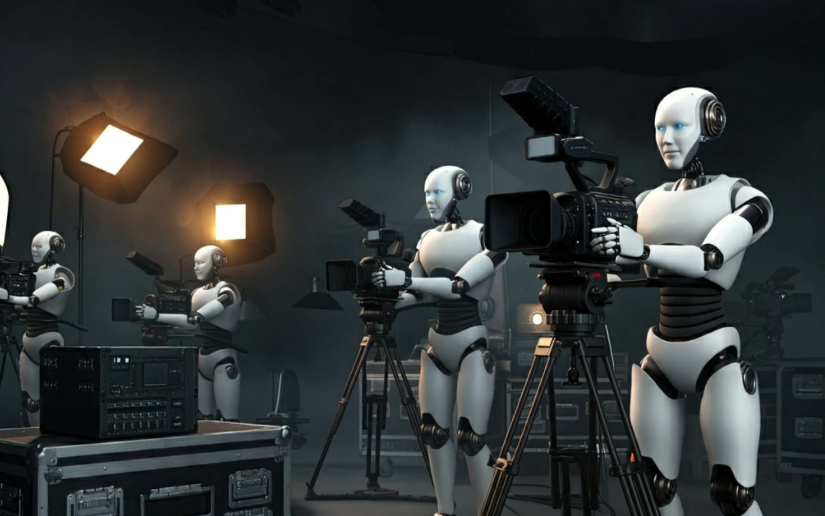
How AI Is Changing the Entertainment Industry
The integration of artificial intelligence in the entertainment industry marks a significant shift in how content is created and consumed. Personalized recommendations tailored to individual preferences enhance viewer engagement and satisfaction. Meanwhile, AI tools streamline production processes, enabling creators to focus on innovation. This evolution raises questions about the implications for storytelling and audience relationships. As these changes unfold, the industry faces a new landscape filled with both challenges and opportunities.
The Rise of Personalized Content Recommendations
As streaming platforms increasingly leverage advanced algorithms, the rise of personalized content recommendations has transformed the way audiences engage with entertainment.
By analyzing user behavior, these content algorithms curate tailored experiences, enhancing viewer satisfaction and retention.
This evolution empowers individuals to discover diverse offerings, ultimately reshaping consumption patterns and fostering a more liberated approach to media engagement, where choice and preference reign supreme.
AI in Film and Music Creation
While traditional methods of film and music creation have relied heavily on human intuition and artistry, the integration of artificial intelligence is ushering in a new era of innovation and efficiency.
AI composition tools enhance musical creativity, while script generation algorithms streamline storytelling processes.
This technological advancement not only expands artistic possibilities but also challenges conventional paradigms, encouraging creators to explore new dimensions of expression.
See also: Technology in Agriculture: Farming Gets a Digital Upgrade
Streamlining Production and Marketing Processes
Numerous entertainment companies are leveraging AI technologies to streamline production and marketing processes, resulting in significant efficiency gains.
Automated editing tools enhance post-production speed, allowing creators to focus on artistic vision.
Additionally, data analytics provide insights into audience preferences, optimizing marketing strategies.
This symbiotic relationship between AI and operational workflows fosters a more agile industry, ultimately enhancing the creative freedom of artists.
The Future of Storytelling With AI
AI’s influence on the entertainment industry extends beyond production and marketing into the realm of storytelling itself.
By leveraging advanced algorithms, creators can develop immersive experiences that engage audiences on a deeper level.
Interactive narratives enabled by AI allow viewers to influence plot trajectories, fostering a sense of agency and connection.
This evolution in storytelling signifies a transformative shift towards more personalized and dynamic forms of entertainment.
Conclusion
As artificial intelligence continues to reshape the entertainment landscape, it serves as both a guiding star and a powerful tool, illuminating new pathways for creativity and engagement. The integration of personalized content, innovative production techniques, and dynamic storytelling not only enhances audience experiences but also redefines the roles of creators. In this evolving narrative, AI stands at the crossroads of technology and artistry, promising a future where the boundaries of entertainment are continually expanded and reimagined.